
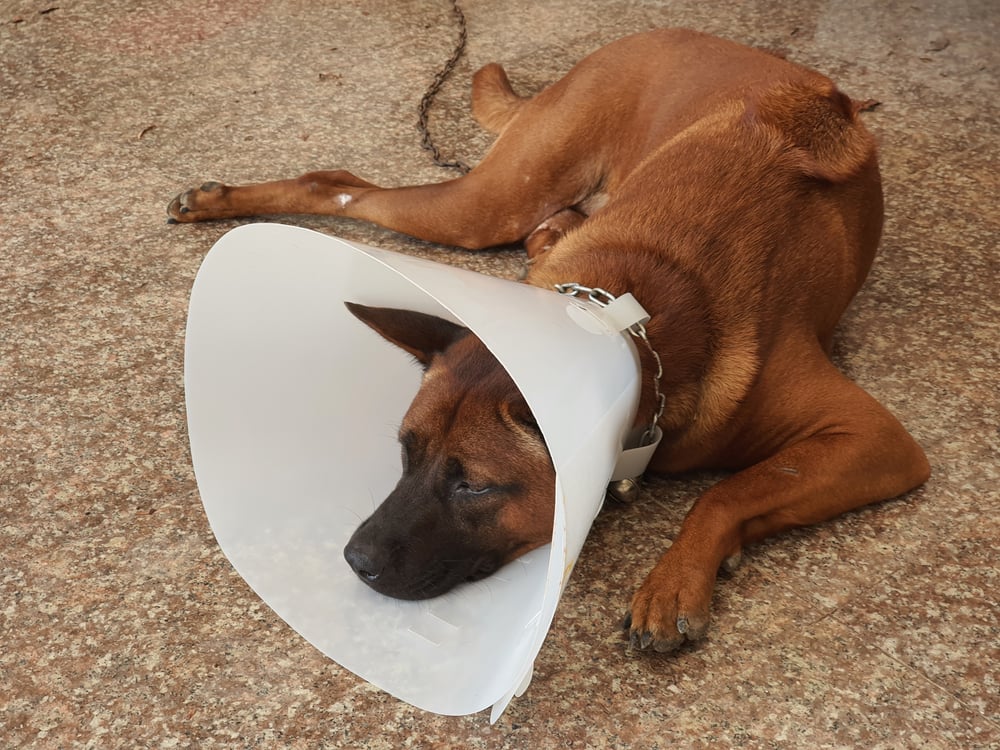
Dog Bite Injury Claims in Virginia: Who Is Liable?
Getting bitten by a dog is frightening, painful, and often a lot more complicated to recover from – legally – than people expect. If you’re trying to sort out dog bite injury claims in Virginia, here’s the hard truth up front: Virginia is one of the tougher states in the country for bite victims. Unlike most states, it doesn’t automatically hold a dog’s owner responsible just because their dog bit someone.
That doesn’t mean you’re out of luck. It just means the details matter enormously, and knowing how the rules work can be the difference between a covered claim and being stuck with the bills. In this guide, we’ll walk through who can be held liable, the common misconceptions, and the practical steps that protect your rights after a dog attack. Let’s break it down.
Who Is Liable in Dog Bite Injury Claims in Virginia?
In Virginia, a dog’s owner is generally liable for a bite only if they knew (or should have known) the dog was dangerous, or if their own carelessness – like violating a leash law – caused the attack. Virginia does not impose automatic “strict liability” for dog bites the way most states do. That means the burden usually falls on the injured person to prove the owner was at fault, rather than on the owner to prove they weren’t.
That’s the core answer. But there’s important nuance beneath it, so let’s unpack the two main paths to holding an owner responsible.
A quick note before we continue: this article is general information, not legal advice. Animal-injury law involves both state statutes and local ordinances that change over time, so please confirm the specifics with a licensed Virginia attorney.
Virginia Doesn’t Have Strict Liability (Despite What You May Read)
You’ll find websites claiming Virginia is a “strict liability” state for dog bites. That’s incorrect, and it’s a costly thing to get wrong. In a true strict-liability state, an owner is on the hook for a bite even if the dog never showed a hint of aggression before. Virginia instead follows older common-law principles that give owners more room to avoid liability. There are two main ways a victim can still recover.
The “One Bite” Rule (Owner Knowledge)
Virginia follows what’s often called the “one bite rule.” The idea is that an owner becomes legally responsible once they have reason to know their dog is dangerous. Despite the name, it doesn’t literally require a prior bite. Other warning signs count too – growling or snapping at people, lunging, baring teeth, or a documented history of aggression can all put an owner “on notice.”
So the question a court asks isn’t just “did this dog bite before?” It’s “did the owner know, or should they reasonably have known, that this dog might hurt someone?” Evidence like neighbor complaints, prior incidents, or the owner’s own statements about the dog’s temperament can help establish that knowledge.
Negligence and Negligence Per Se (Leash Laws Matter)
Even if the dog had a spotless history, an owner can still be liable if they were simply careless. Letting a dog roam off-leash in a public area, failing to secure a gate, or ignoring animal-control rules can all amount to negligence.
This is where local ordinances become powerful. If an owner violated a leash law or similar safety ordinance and that violation led to the bite, a court may treat it as “negligence per se” – meaning the law-breaking itself establishes carelessness, so you don’t have to argue about what a reasonable owner would have done. In many Virginia bite cases, a leash-law violation is the strongest card a victim holds.
How Contributory Negligence Can Complicate Your Claim
Here’s another Virginia wrinkle that catches people off guard. Virginia follows a strict “contributory negligence” rule, which can bar you from recovering anything if you were even slightly at fault for the incident. In dog bite cases, an owner might argue you provoked the dog, ignored a “Beware of Dog” sign, or were trespassing.
Provocation and trespassing are real defenses here. If you teased or hurt the animal, or you were somewhere you had no legal right to be, your claim can be seriously weakened or defeated. This is exactly why documenting what actually happened – and being careful about what you say afterward – matters so much. It’s also why many bite victims choose to have an attorney evaluate the facts before talking to an insurer.
The “Dangerous Dog” Law Is Separate From Your Injury Claim
People sometimes assume that if animal control declares a dog “dangerous,” their compensation is automatically handled. It isn’t. Virginia’s dangerous-dog statute and your civil injury claim are two different tracks.
Under Virginia’s dangerous-dog law, summarized well by Michigan State University’s Animal Legal & Historical Center, a court can formally declare a dog “dangerous.” When that happens, the owner faces a list of requirements: registering the dog, paying registration fees, displaying a special tag and warning signs, keeping the animal securely confined, spaying or neutering and microchipping it, and carrying substantial liability insurance covering bites. A dog that kills or seriously injures a person can be declared “vicious,” which carries even harsher consequences.
Importantly, while a court in a dangerous-dog case may order the owner to pay restitution, that process is mainly about protecting the public going forward – and it doesn’t replace your right to pursue a separate civil claim for your medical bills, lost wages, and pain and suffering. The two can run in parallel.
How to Strengthen a Dog Bite Injury Claim in Virginia
Because you carry the burden of proving fault, what you do after a bite has an outsized effect on dog bite injury claims in Virginia. A few habits that consistently help:
- Get medical care right away. Bites carry serious infection risk, and prompt treatment also creates a clear record linking your injuries to the attack.
- Report the bite. Notify animal control or local authorities. An official report helps establish what happened and may surface the dog’s prior history.
- Identify the dog and owner. Get the owner’s name and contact info, plus proof of ownership if you can. If it happened on someone else’s property, note that too.
- Gather evidence and witnesses. Photograph your injuries, the location, and anything relevant like a broken gate or absent leash. Collect witness contact information while memories are fresh.
- Dig into the dog’s background. Prior complaints, past incidents, or leash-law issues can be the key to proving the owner was on notice or negligent.
- Be cautious with insurers. The owner’s homeowners insurer may reach out quickly with a low offer. You’re generally not required to give a recorded statement, and it’s wise to get advice first.
Timing matters, too. Virginia’s statute of limitations generally gives you two years from the date of the injury to file a personal injury lawsuit. Miss that window and a court will likely dismiss your case, so don’t sit on it – evidence and the dog’s history are easiest to document early.
Who Actually Pays? Homeowners Insurance and Dog Bites
In many cases, compensation comes from the owner’s homeowners or renters insurance rather than their personal bank account. These policies typically include liability coverage that can pay for a bite victim’s damages up to the policy limit.
This is a bigger deal than it sounds. According to the Insurance Information Institute, dog-related injury claims cost home insurers approximately $1.86 billion in 2025, across roughly 28,450 claims nationwide, with an average cost of about $65,450 per claim. (Those figures are approximate and shift year to year, so treat them as a snapshot rather than a fixed number.) The takeaway for victims: serious bites can involve real money, and understanding the available coverage is part of building a smart claim.
One caveat worth knowing – coverage isn’t unlimited. If damages exceed the policy limit, the owner is personally responsible for the rest, and some insurers may exclude a particular dog after a bite. An attorney can help identify every potential source of recovery.
A Word on Prevention
Most bites are preventable, and children are the most common victims. The American Veterinary Medical Association offers straightforward guidance worth sharing with your family: ask permission before greeting an unfamiliar dog, approach slowly and calmly rather than looming over the animal, avoid direct eye contact with strange dogs, and never leave a young child alone with a dog. The AVMA also stresses that any dog can bite in the right circumstances – even a gentle, familiar one – especially when it’s startled, eating, sleeping, or protecting puppies.
If you have kids, teaching these habits early is one of the simplest ways to reduce risk. And because children’s bite injuries can be severe, they often warrant especially careful legal attention when they do happen.
When It Makes Sense to Talk to a Lawyer
Given how much victims have to prove in Virginia – owner knowledge or negligence, no contributing fault of your own, and the full extent of your damages – dog bite claims here are genuinely harder to win than in most states. That’s the strongest argument for getting a professional in your corner early.
Our dog bite attorneys can investigate the dog’s history, pin down any ordinance violations, deal with the insurance company, and make sure you don’t accidentally say or do something that undercuts your claim. When a child is the victim, our child injury team understands the added sensitivity these cases require. And because a bite is ultimately a personal injury matter, it fits within a broader practice built around helping injured people recover.
Frequently Asked Questions
Is Virginia a strict liability state for dog bites?
No. Despite what some websites claim, Virginia does not impose automatic strict liability on dog owners. Instead, it follows the common-law “one bite rule” plus negligence principles. That means a victim generally must prove the owner knew or should have known the dog was dangerous, or that the owner’s carelessness – such as violating a leash law – caused the bite. This makes Virginia one of the more difficult states for bite victims, which is why documenting fault carefully is so important to a successful claim.
What if the dog never bit anyone before?
You may still have a claim. The “one bite rule” doesn’t literally require a previous bite. Other warning signs – growling, snapping, lunging, or baring teeth at people – can show the owner was on notice that the dog was dangerous. Separately, you can pursue a negligence claim if the owner was careless, for example by letting the dog roam off-leash in violation of a local ordinance. In that situation, the dog’s clean history may not protect the owner from liability.
How long do I have to file a dog bite claim in Virginia?
Virginia’s statute of limitations generally gives you two years from the date of the bite to file a personal injury lawsuit. If you miss that deadline, a court will most likely dismiss your case regardless of how strong it is. Some situations, such as claims involving minors, can involve different timing. Because evidence and the dog’s history are easiest to gather soon after the incident, it’s smart to speak with an attorney well before the two-year mark rather than waiting.
Does homeowners insurance cover dog bites?
Often, yes. Homeowners and renters policies typically include liability coverage that can pay a bite victim’s damages up to the policy’s limit, which frequently ranges from $100,000 to $300,000. If damages exceed that limit, the owner is personally responsible for the remainder. Keep in mind that some insurers may exclude a specific dog after a bite or decline certain breeds. Identifying the applicable coverage – and any additional liable parties – is an important early step in a dog bite claim.
The Bottom Line
Virginia’s approach to dog bites puts more on the victim’s shoulders than almost anywhere else, but that doesn’t mean recovering compensation is out of reach. Understanding how liability works – owner knowledge, negligence, leash-law violations, and the insurance behind it all – and acting quickly to preserve evidence can make a real difference in dog bite injury claims in Virginia.
If you or your child was bitten and you’re not sure where you stand, we’re glad to help you figure it out. Reach out for a consultation and let’s talk through what happened and what your options are – no pressure, just clear answers.
This article is for general information only and is not legal advice. Laws, ordinances, and insurance practices change, and every case is unique, so please consult a licensed Virginia attorney about your specific circumstances.
